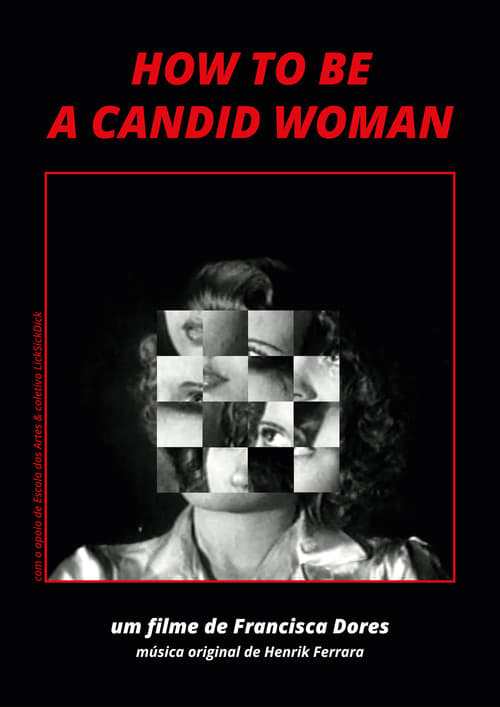
How to Be a Candid Woman
A myriad of images (from classic cinema to influencer videos) in a musical critique of the representation and education of women over the years through audiovisual media.
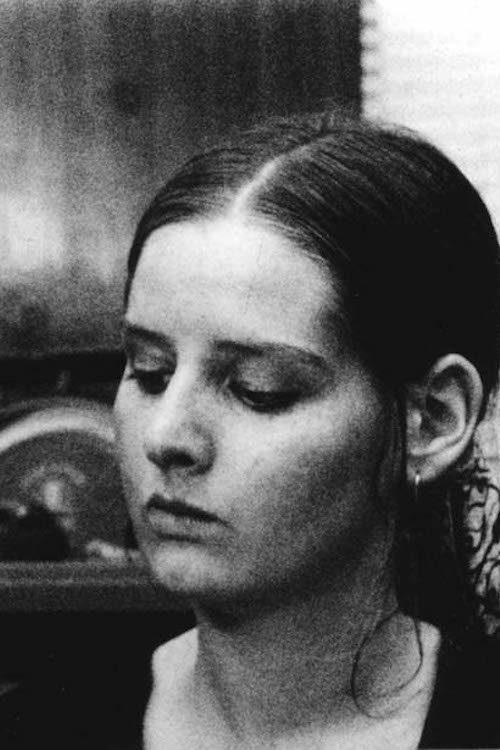
To produce speech, a set of mechanisms must be brought together. What is the normal articulation for speech? How to produce the sounds that make it up in the correct way? A physiological analysis of the aspects of speech shows us how: the jaw must move in a certain way; the air must be expelled from the lungs in another. Based on the concepts stated in the film "Normal Speech Articulation" (1965), produced by the University of Iowa (USA), we intend to reflect on the way women have been represented, and consequently educated, over the years, both in film and in the media. Largely composed of archival footage, this film intends to make evident, through a montage inspired by Structuralist movements, the violence of this education.
Production
Escola das Artes - Universidade Católica, LickSickDick
Language
EN
Status
Released
Release Date
Trailers & Videos
Recommended

I Am Ali
Feminists: What Were They Thinking?
Frida

Love, Marilyn
This Changes Everything

Love, Gilda

Cameraperson
Nothing Like a Dame
Fuck

Don't F*#% With John Wick
Heart of a Dog

Come See Me in the Good Light
Similar Movies

Moongazer's Moonlight Reverie
Corpos que Contam

Brad Pitt: More Than a Pretty Face
The Sweet Life

back home

Lost Connections

I AM

La Traversée de Bourvil
A Film for Discussion

Alain Delon, a unique portrait

Memory