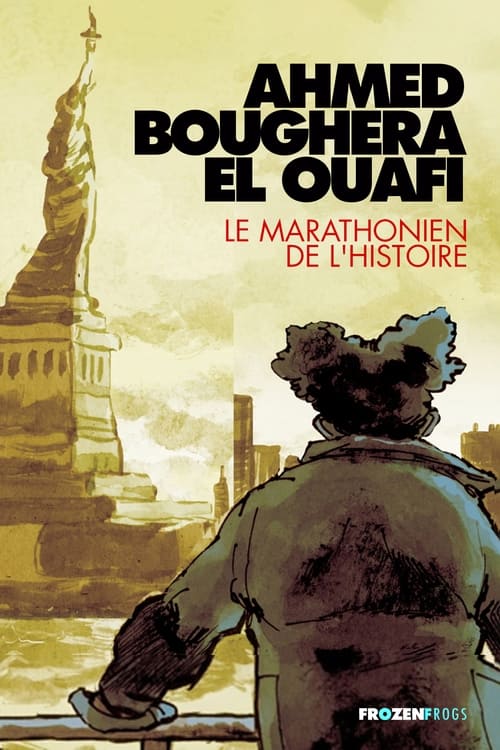
El Ouafi Boughera, The marathon runner of history
Ratings
On August 5, 1928, after 2 hours and 32 minutes of racing, the 71st rooster wearing the bib entered the Olympic stadium in Amsterdam. Ahmed El Ouafi Bouguéra wins the gold medal and becomes the first Olympic champion from the African continent. He achieved his feat under the tricolor flag. The start of his real marathon is underway. The history of sport extends to the history of Algeria and France. This documentary retraces the different stages of the life of this great champion, not only the history of sport but also the great story. Archival photographs and interviews mingle with the painted paintings. The series thus once again gives voice to this forgotten hero, one of the great heroes of immigration who defended France for more than a century.
Production
Frozen Frogs, CNC, Centre National pour le Développement du Sport
Language
CN
Status
Released
Release Date
Cast
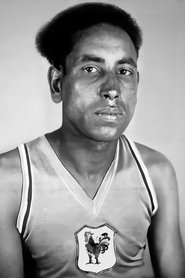
Ahmed El Ouafi Boughéra
Self (archive footage)
Féodor Atkine
(voice)
Recommended
I Am Bolt

Conor McGregor: Notorious

The Class of ‘92
When We Were Kings
Directed by John Ford
Senna

Lionel Messi: Destiny

Air Force Elite: Thunderbirds
In the Realms of the Unreal

And the Oscar Goes To...

Maidentrip

Icarus
Similar Movies
The Two Loves of Anthony Trollope

Voie Express

Thomas Hart Benton
Patron
I Trollkarlens hatt

Carolina Maria de Jesus: Eu lirica, sou grande
The Impossible Hour

Grizzly Man

Committed
Arrowhead
Les paillotes refusent de boire la tasse