PL
Released
Equal parts film, conversation, and social experiment, this interactive documentary uses footage shot by activists in the crowd of the Maribor uprisings, a 2012 to 2013 Slovenian protest, to pull you into the fray, where you must collectively decide what happens next.
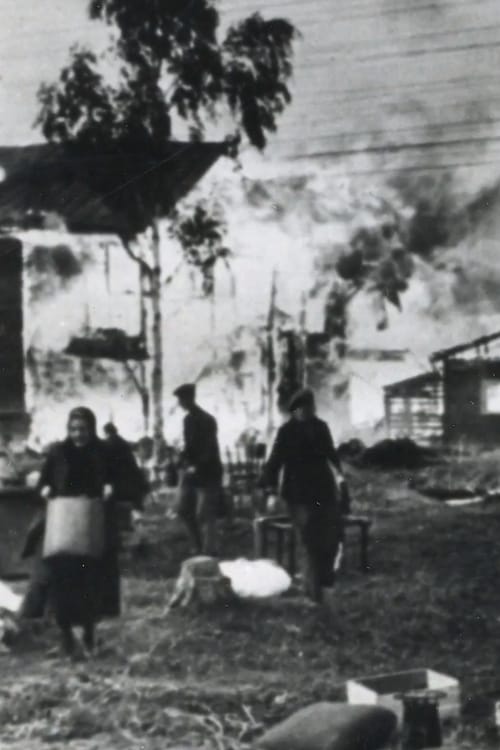
A post-WW2 story about the village largely involved in wine-making business. The peasants who claimed possessions of lands, woods, and churches after communist party seized the power hold a party where a member of so-called reactionary forces (kulaks, clergy and Axis collaborators) tries to break in and stop it.
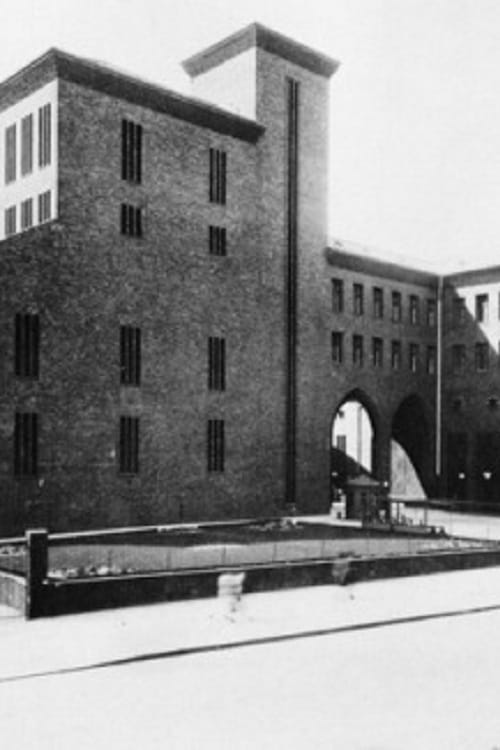
Documentary showing buildings made by great architect Joze Plecnik in Prague, Wien, Ljubljana...
Mikko Virtanen feels like a Swedish soul trapped in a Finnish body. Full of disgust for everything Finnish, he sees Sweden as heaven. Upon meeting a suicidal Swedish psychologist Mikael Anderson, he seizes an opportunity for an identity switch. Raspberry Boat Refugee is a comedy about cultural differences in the Nordic countries, their nationalism and, not least, prejudices about our neighbours. It also proves how futile it is to try to escape oneself.
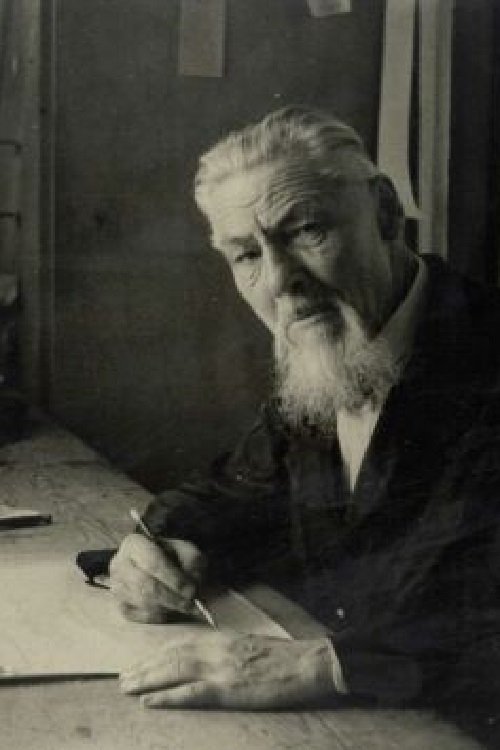
Codelli is a feature-length docudrama about a little-known film project by Slovenian inventor Baron Anton Codelli. Together with filmmaker and adventurer Hans Schomburgk he filmed in Togo in 1914 the first live-action film in Africa, which possibly inspired James Rice Burroughs for his novel on Tarzan. In the company of three Codelli’s descendants and actor Primož Bezjak, we traced the fate of Codelli’s film, brought the remains from Togo and Berlin to Ljubljana and used the Green Screen technology to bring to life 15 live-action scenes based on 600 Codelli’s museum photographs.
The film is based on a novel by Ivan Tavcar and was adapted for the screen by Andrej Hieng. It is set at the end of the 17th century in the area that is now Slovenia at a time of religious intolerance with Amandus, a Catholic priest, determined to persecute local Protestants.
2009, Slovenia. For 30 years, Alija, the miner, has been one of the many Bosnian immigrant workers. Due to the crisis, miners are losing jobs. Alija is sent to check an abandoned mine. His task is to quickly make sure the mine is empty before management sells the company. But in the mine, Alija finds hidden proof of executions after WWII. He is told to stop digging and report the mine empty. He decides to continue, although he is risking his job. Alija discovers thousands of executed people. He informs the police. He found women among the dead. Some of them were civilians, missing persons, just like his sister that was lost in the 1995 genocide in Bosnia. Alija is convinced the victims need to be brought out, identified and buried. But there is no interest in doing that. The mine is proclaimed a WWII military grave and walled in. The dead will stay unburied. Alija loses his job and struggles to preserve his dignity.
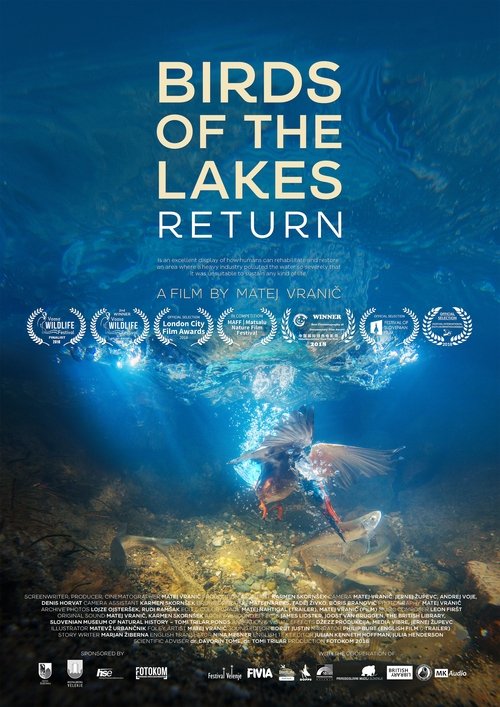
An excellent display of how humans can rehabilitate and restore an area where a heavy industry polluted the water so severely that it was unsuitable to sustain any kind of life. A a film showing how birds returned to an environment once devastated by industry. The lakes around the northern Slovenian town of Velenje, placed in the Central Europe, are geographic center of the film. They emerged as the land above the lignite mines subsided and the depressions were filled with water. The mines started operating at the end of the 19th century. In the mid 20th century a power plant was built that caused a severe pollution of the lake waters to the extent of the lakes not being fit for any kind of life. As a consequence many birds moved from these parts. After a long ecological restoration that started in the mid 1980s, life returned to the water. Gradually the birds returned as well, including some there were previously never observed in this area.
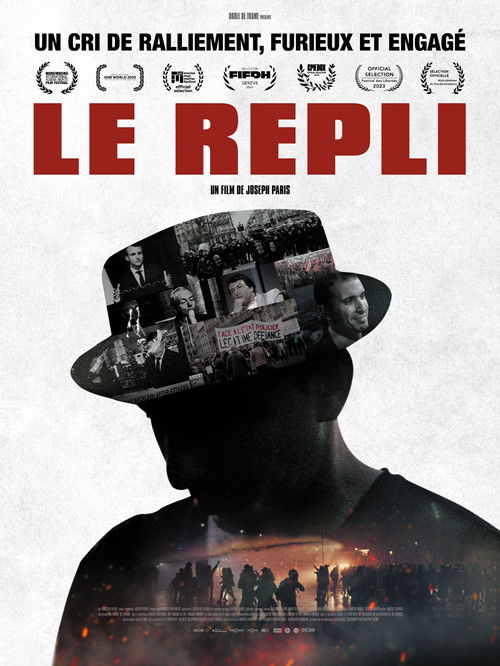
A furious, iconoclastic attack on power and the media in a modern France where Islamophobia has become mainstream and inequality is growing from the suburbs to the boulevards.
When Dane returns from the army, Vera awaits him at the station, ready to live together with him. Yet beneath the veil of enthusiasm lies anxiety for their future. The couple sets off for the mountain village where Vera's parents live, but find life in the harsh alpine conditions too difficult. They decide to move down into the valley, where they meet a discontented couple whose marriage has been marred by an affair. Vera and Dane also encounter difficulties in their relationship, but the tragic example of the other couple helps them realize that their home lies in the place of their birth - beneath the free skies in the mountains.
A TV journalist making a documentary in a factory finds out that the workers have been on strike and tries to analyze the strike in his film, but is thwarted by the TV company. His failure at his job is interwoven with his failed marriage.
Since the rise to power of Hindu nationalists in 2014, India has been gradually moving away from democracy towards a regime where ethnic identity prevails. This transition is driven by Hindutva, a Hindu supremacist ideology embodied by Narendra Modi. For the past 10 years, Prime Minister Modi has relentlessly pursued his fascist policy based on Hindu supremacy. This ideology of hatred towards other religions in the country, particularly Islam, has also spread globally. Those who follow this belief want India to be only for Hindus, treating people of other religions, like Muslims or Sikhs as second-class citizens. Attacks against Christians have surged by 400% since Modi's election, accompanied by discriminatory laws targeting Muslims and widespread lynching incidents. Hindutva's influence permeates all levels of Indian society. This documentary thus unveils a darker side of India, far from its portrayal as the world's largest democracy and Gandhi's dream of peace among communities.