ES
Released
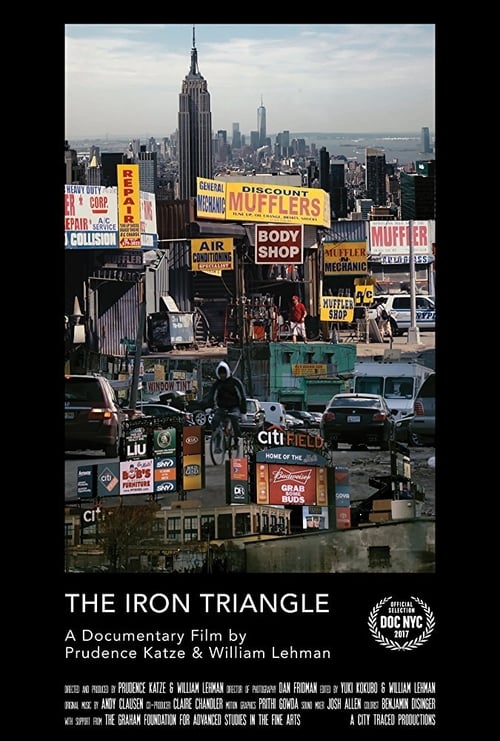
Targeted for several failed redevelopment plans dating back to the days of Robert Moses, Willets Point, a gritty area in New York City known as the “Iron Triangle,” is the home of hundreds of immigrant-run, auto repair shops that thrive despite a lack of municipal infrastructure support. During the last year of the Bloomberg Administration, NYC’s government advanced plans for a “dynamic” high-end entertainment district that would completely wipe out this historic industrial core. The year is 2013, and the workers of Willets Point are racing against the clock to forestall their impending eviction. Their story launches an investigation into New York City’s history as the front line of deindustrialization, urban renewal, and gentrification.
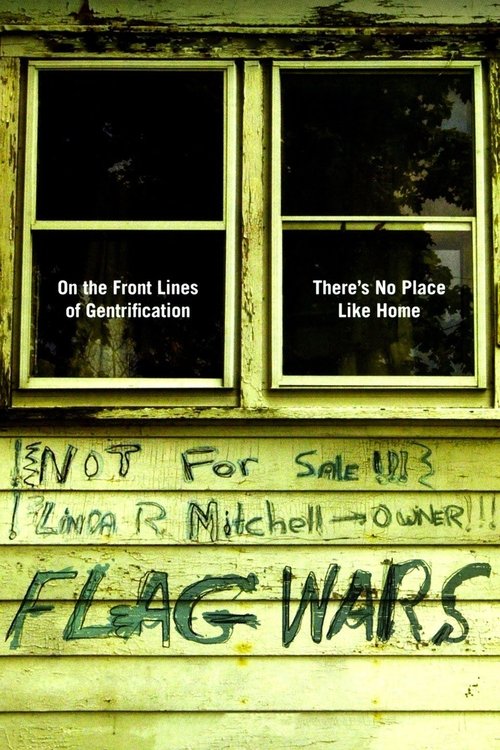
Filmed over four years, this documentary focuses on the impacts of gentrification as gay white professionals move into a largely black working-class neighborhood in Columbus, Ohio.
Jose Rivera is a lifelong resident of Spanish Harlem (El Barrio) but is afraid that gentrification will force him out. James Garcia has just bought an apartment across the street from public housing and wonders why locals resist his moving into the neighborhood. James Barrow worries that a construction project in an empty lot behind his building will threaten his apartment. Oscar Dominguez and Movement for Justice in El Barrio protests against gentrification. A town hall meeting pits community members against a City Councilwoman who supports a massive development project in East Harlem.
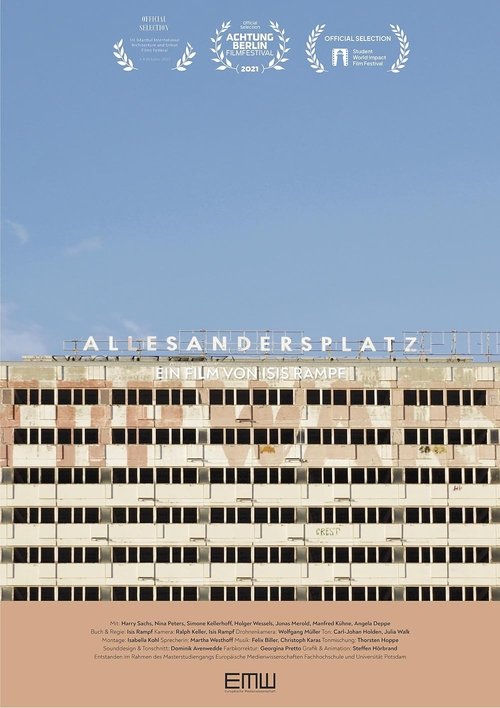
Artists, urban planners and the city of Berlin trying to transform a former GDR ruin into a place for new visions and concepts of city - a place where everything is different than before?
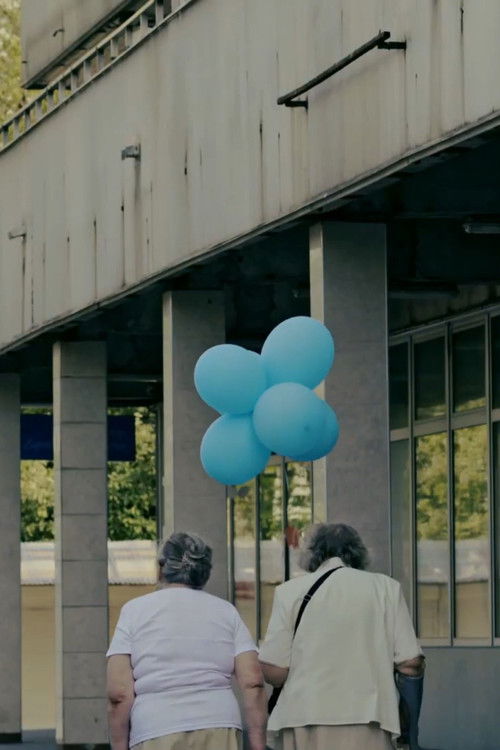
Universam Grochów was a now-defunct shopping and service mall that emerged in the 1970s in Warsaw's Praga-Południe district. This department store functioned as a shopping center and a hub for the social life of right-bank Warsaw. At the end of 2016, the iconic building was demolished. The film captures the final moments of the enterprise, with long-term and dedicated employees guiding us through its corridors. Their approach to work and economic model make Universam a living museum and a phenomenon at the intersection of urban planning and sociology. We also see the significant void left in the local community by the building's demolition.
Kathy's family left on a Saturday morning in 1965. The rumble of bulldozers echoed through the neighborhood, and her block was empty. Federally-funded urban renewal had arrived in Charlottesville, scattering dozens of families like Kathy's. The once-vibrant African American community, built by formerly enslaved men and women who had secured a long-denied piece of the American dream, disappeared.
A short documentary shot in November 2021 in Berkeley. It reflects on the ethos of privatization in American culture and how public spaces are being built to exclude people through cruel architecture. The context used is the gentrification circle around the University of California Berkeley intended to build student housing. An eye-opening journey that explores structures and elements you would never have stopped at.
“El apagón: Aquí vive gente” is a 23-minute film that explores the socio-economic challenges in Puerto Rico, focusing on the effects of power outages and gentrification driven by the real estate and energy sectors. Through visuals and personal stories, the documentary highlights the experiences of Puerto Rican communities facing these issues.
Ayi comes from a rural area of Eastern China and doesn’t have the residential permit that would allow her to work in Shanghai. Yet, she has been cooking in the streets for twenty years, in an old neighbourhood soon to be demolished. The film unveils the chaos of an ultra-modern city aiming to wipe out so-called substandard practices and to deport an unwanted population.
An ancestral house builds itself, comes to life, and shows us its story spanning one hundred fifty years. Through the ages, it allows us to perceive the passage of time.
San Francisco has long enjoyed a reputation as the counterculture capital of America, attracting bohemians, mavericks, progressives and activists. With the onset of the digital gold rush, young members of the tech elite are flocking to the West Coast to make their fortunes, and this new wealth is forcing San Francisco to reinvent itself. But as tech innovations lead America into the golden age of digital supremacy, is it changing the heart and soul of their adopted city?
No overview available.