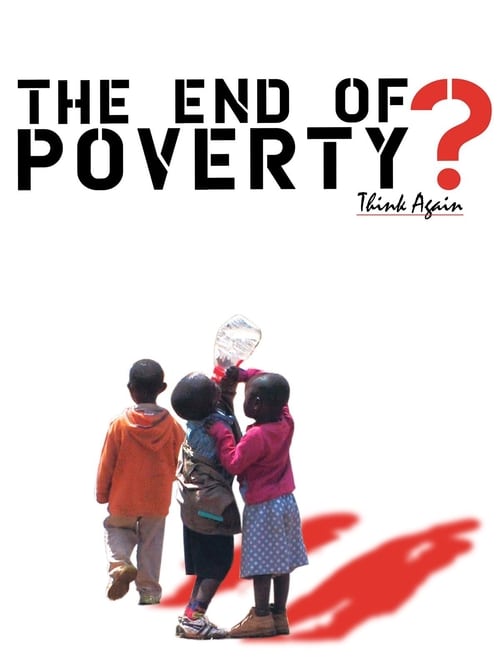
The End of Poverty?
In a world where there is so much wealth, why is there still so much poverty?
Ratings
The End of Poverty? asks if the true causes of poverty today stem from a deliberate orchestration since colonial times which has evolved into our modern system whereby wealthy nations exploit the poor. People living and fighting against poverty answer condemning colonialism and its consequences; land grab, exploitation of natural resources, debt, free markets, demand for corporate profits and the evolution of an economic system in in which 25% of the world's population consumes 85% of its wealth. Featuring Nobel Prize winner Amartya Sen and Joseph Stiglitz, authors/activist Susan George, Eric Toussaint, Bolivian Vice President Alvaro Garcia Linera and more.
Language
EN
Status
Released
Release Date
Trailers & Videos
Cast
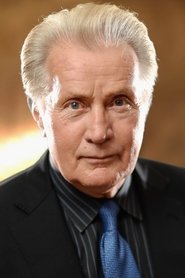
Martin Sheen
Self - Narrator
John Christensen
Self
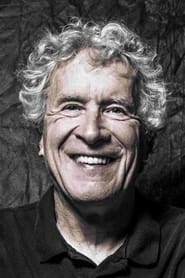
John Perkins
Self
Álvaro García Linera
Self - Vice-President, Bolivia
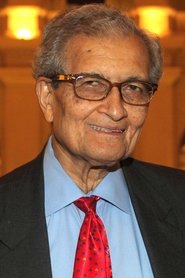
Amartya Sen
Self - Author & Nobel Prize Winner

Edgardo Lander
Self - Professor & Historian
Eric Toussaint
Self - Author & President of CADTM
H.W.O. Okoth-Ogendo
Self - Author & Law Professor
Jaime De Amorim
Self - Coordintor, Landless People Movement Brazil
Miriam Campos
Self - Ministry of Indigenous People, Bolivia
Mashengu wa Mwachofi
Self - Former Parliamentarian, Kenya
Maria Luisa Mendoca
Self - Rede Social President, Brazil
William Easterly
Self - Author & Professor
Michael Watts
Self - Author & Professor
Nora Castaneda
Self - Women's Bank President, Venezuela
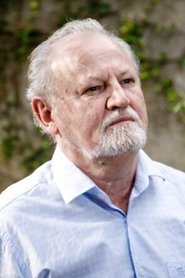
Joao Pedro Stedile
Self - Landless Movement Leader, Brazil
Recommended
Inequality for All
The Shock Doctrine
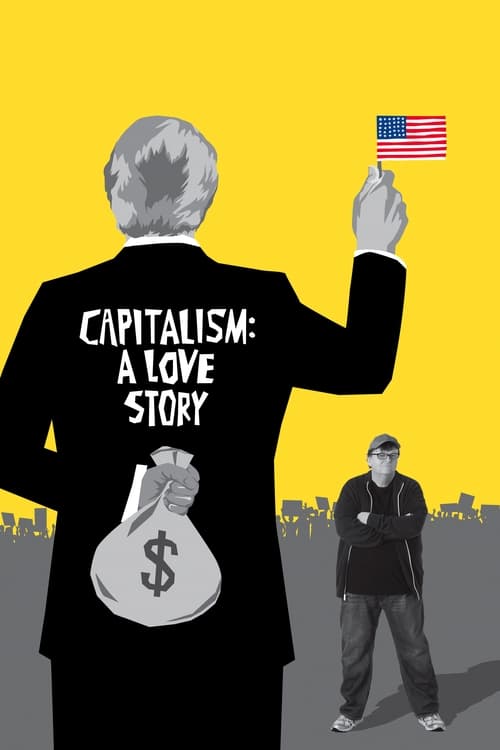
Capitalism: A Love Story
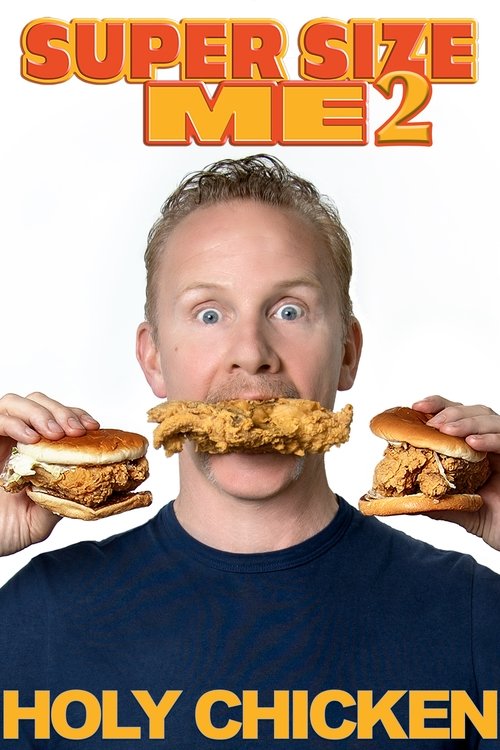
Super Size Me 2: Holy Chicken!
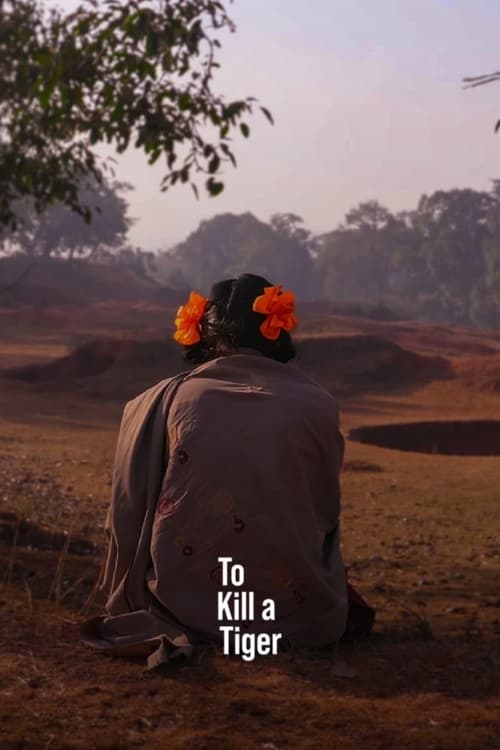
To Kill a Tiger
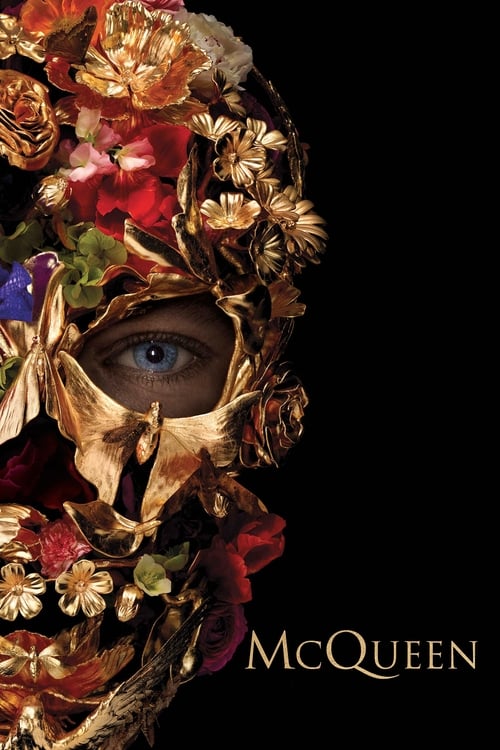
McQueen

Generation Wealth
Earthlings
S4: The Bob Lazar Story
49 Up
Capital in the Twenty-First Century

The Secret
Similar Movies
How China Got Rich
The Flickering Flame

Fascism Inc.

Land Without Bread
Megacities
Who’s Counting? Marilyn Waring on Sex, Lies and Global Economics

Demeure
Bread
How to Build a House out of Wreckage and Rags
Roger & Me
In a Land of Plenty