KO
Released
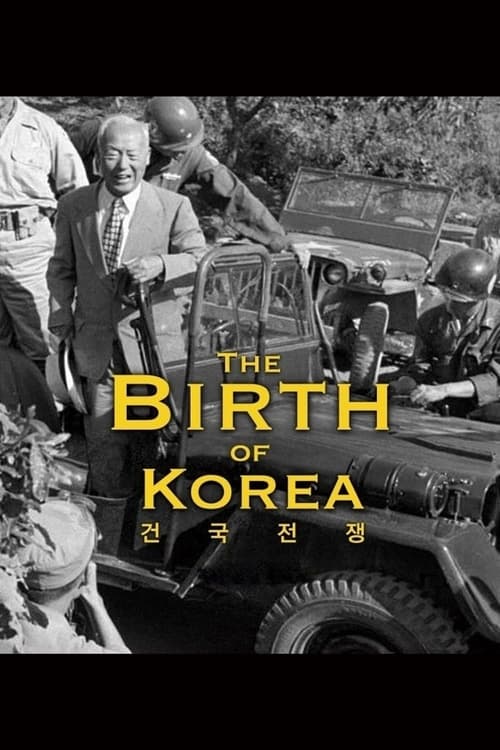
In July 1951, all the sides to the Korean War sought a ceasefire. For a ceasefire, the Allied and Communist forces began to hold talks at Naebongjang, located northeast of Kaesong. However, they only sharply opposed each other and didn't make progress in the negotiation. In October 1951, the two sides met again in the small village of Neolmun-ri below Gaeseong. They set up tents there to negotiate and named the place Panmunjom. The name Panmunjeom is a combination word of Panmun, meaning Neulmun-ri, and “Jom,” of an inn.
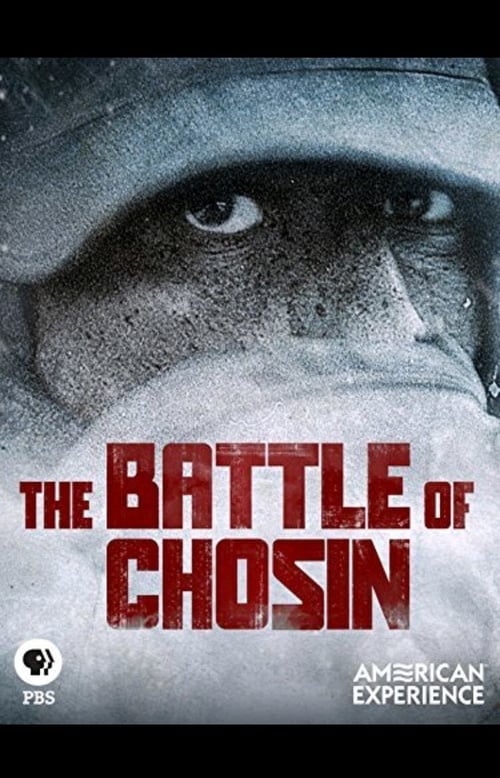
An amazingly harrowing story of the 17 day engagement of bloody combat and heroic survival in subartic temperatures. UN forces largely outnumbered and surrounded, due to a surprise attack led by 120,000 Chinese troops.
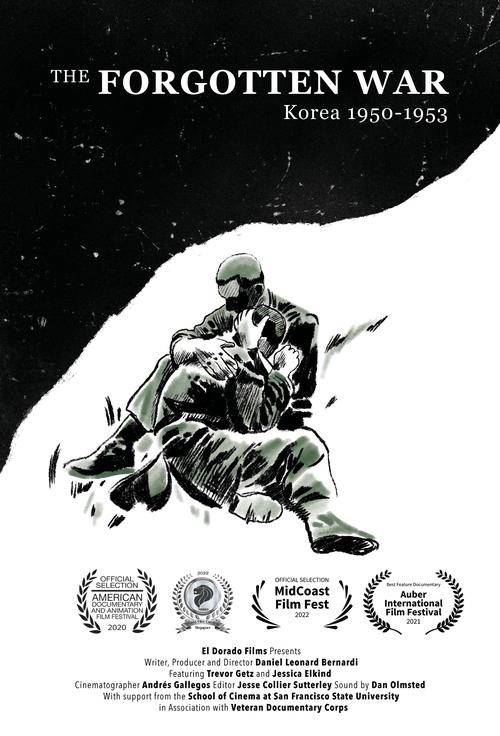
The Korean conflict is often called "The Forgotten War," but it has never been forgotten by the men and women who experienced it. These veterans share their thoughts, experiences and memories, highlighting the human and social costs of war.
From the archives of the “queer Smithsonian,” San Francisco’s GLBT Historical Society, comes the forgotten history of a gay Korean War veteran tasked with writing the military discharges of outed gay seamen. The Typist details a conflicted clerk’s participation in discrimination and his divided allegiance to homosexuality and heroism.
No overview available.
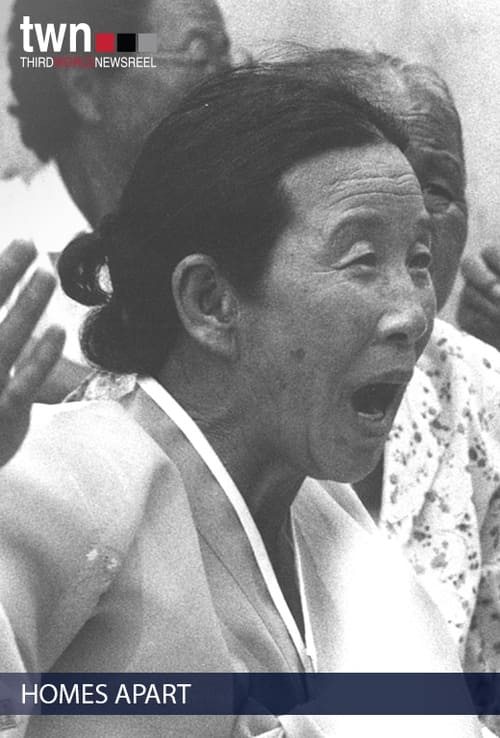
They speak the same language, share a similar culture and once belonged to a single nation. When the Korean War ended in 1953, ten million families were torn apart. By the early 90s, as the rest of the world celebrated the end of the Cold War, Koreans remain separated between North and South, fearing the threat of mutual destruction. Beginning with one man's journey to reunite with his sister in North Korea, filmmakers Takagi and Choy reveal the personal, social and political dimensions of one of the last divided nations on earth. The film was also the first US project to get permission to film in both South & North Korea.
A contemporary history of Korea(s) from a unique point of view that embraces the inner history of both South and North Korea in a single narrative.
Explore the history of the world's most famous battleship, the USS Missouri, with this revealing documentary that chronicles the ship's distinguished career that spanned more than 50 years of service. Narrated by decorated Navy officer Wes Carey, this portrait combines archival film footage, photographs and personal accounts to paint a vivid picture of the celebrated ship, affectionately known as "Mighty Mo."
Heroes brings to life the harrowing exploits of a Canadian platoon who fought to hold their vulnerable outpost in the face of repeated attacks during the Korean War.
One year after the Korean War, the conflict had reached a stalemate. The two opposing forces began to search for a way to end the grueling war of attrition, eventually settling on a modest village called ‘Pan Mun Jom’ near Gaeseong as the designated site for negotiations. Despite initial hopes for a quick resolution, the negotiating parties encountered obstacles that prevented an agreement. Disputes over the military demarcation line and the repatriation of prisoners of war thwarted their efforts. The film peels back the layers to reveal the untold story of Pan Mun Jom, shedding light on a history that has remained hidden until now.
A visit to the famed aircraft carrier USS Midway and interviews with men who served aboard it bring the exciting story of the vessel to life in this dramatic documentary. In service for 47 years, the Midway saw heavy action during the Vietnam War, and its hair-raising missions to rescue downed pilots were legendary. After Vietnam, the Midway, now berthed in San Diego, participated in numerous operations, including the Gulf War.