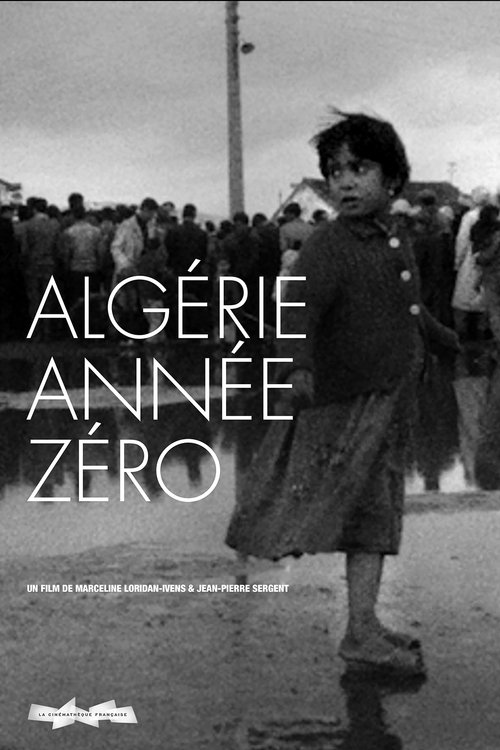
Algeria, Year Zero
1965•40m•10.0/10
Documentary
Ratings
🎬TMDb
10.0/10(1)
Documentary on the beginnings of Algerian independence filmed during the summer of 1962 in Algiers. The film was banned in France and Algeria but won the Grand Prize at the Leipzig International Film Festival in 1965. Out of friendship, the production company Images de France sent an operator, Bruno Muel, who later declared: "For those who were called to Algeria (for me, 1956-58), participating in a film on independence was a victory over horror, lies and absurdity. It was also the beginning of my commitment to the cinema."
Production
Capi Films, Argos films, Tamasa Distribution, La Cinémathèque Française
Language
FR
Status
Released
Release Date
Available in Your Library
Cast
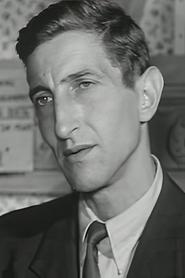
Maurice Garrel
Narrateur
Recommended

Checking...
Night Will Fall
2014•
7.6
Checking...
Varda by Agnès
2019•
7.9

Checking...
The Walking Dead: The Return
2024•
7.4
Checking...
Directed by John Ford
1971•
7.0
Checking...
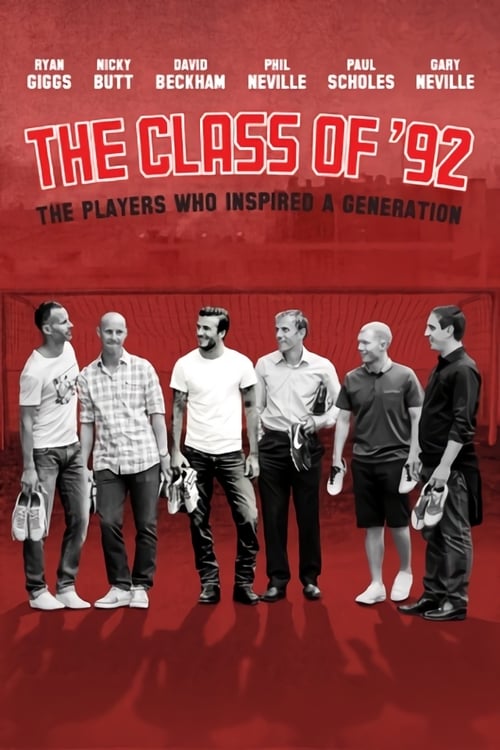
The Class of ‘92
2013•
7.1
Checking...
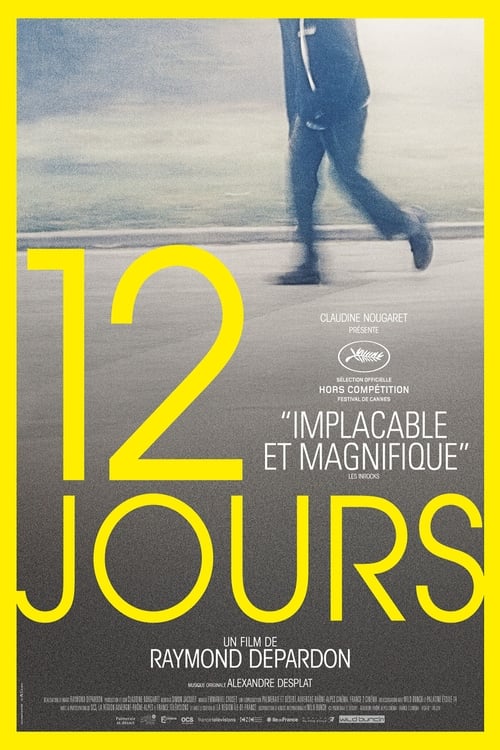
12 Days
2017•
7.1
Checking...
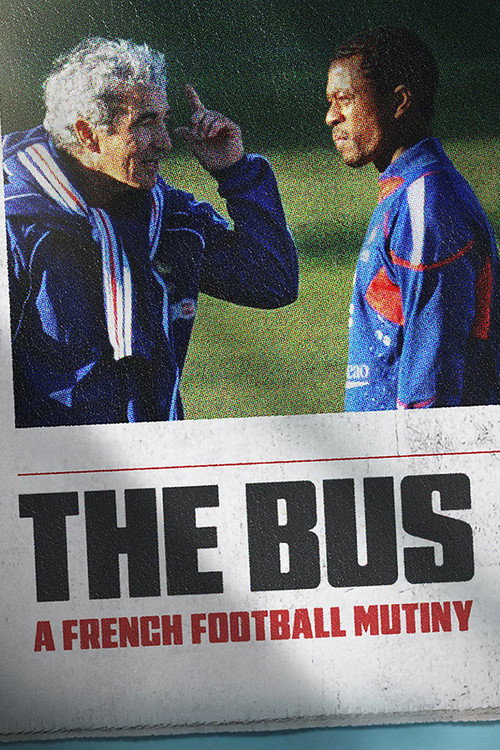
The Bus: A French Football Mutiny
2026•
6.9
Checking...
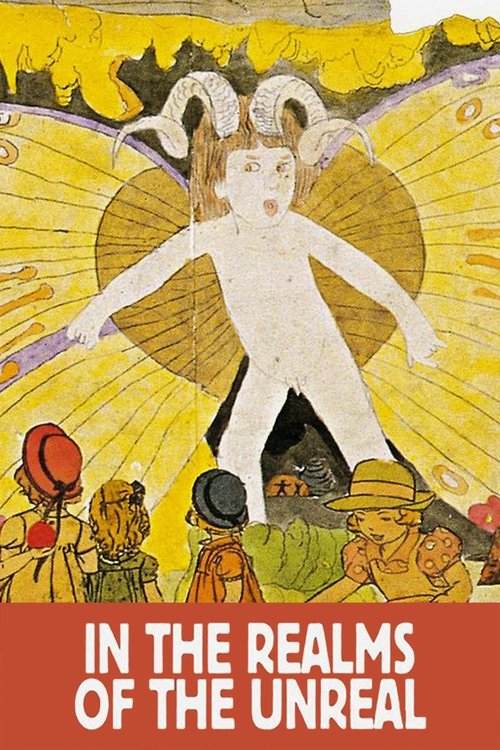
In the Realms of the Unreal
2004•
7.2
Checking...
McQueen
2018•
7.5
Checking...
I Am Not Your Negro
2017•
7.7
Checking...
Daguerréotypes
1978•
7.3
Checking...
Uncle Yanco
1967•
7.2
Similar Movies
Checking...
L'Orientalisme
2019•
10.0
Checking...
Alger Et Ses Environs
1945•
10.0
Checking...
Aleph
2021•
7.3
Checking...
The Zerda or the Songs of Forgetting
1983•
8.1

Checking...
CHoosing at Twenty
2017•
6.8
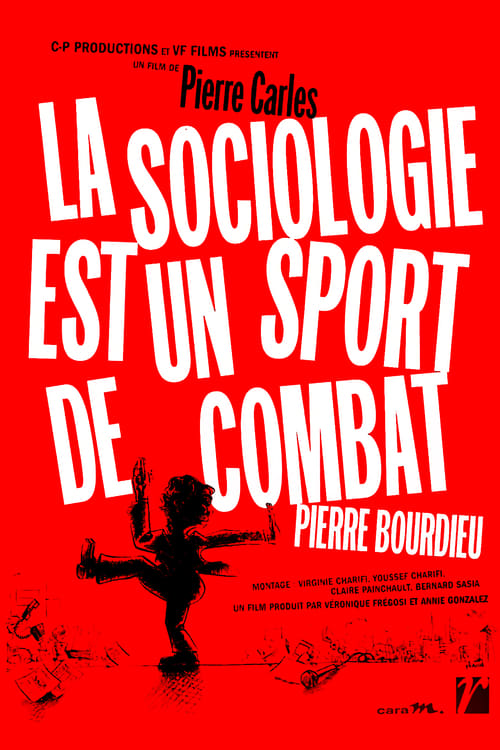
Checking...
Sociology Is a Martial Art
2001•
6.8

Checking...
The Revolution Of El Harrachi
2014•
10.0
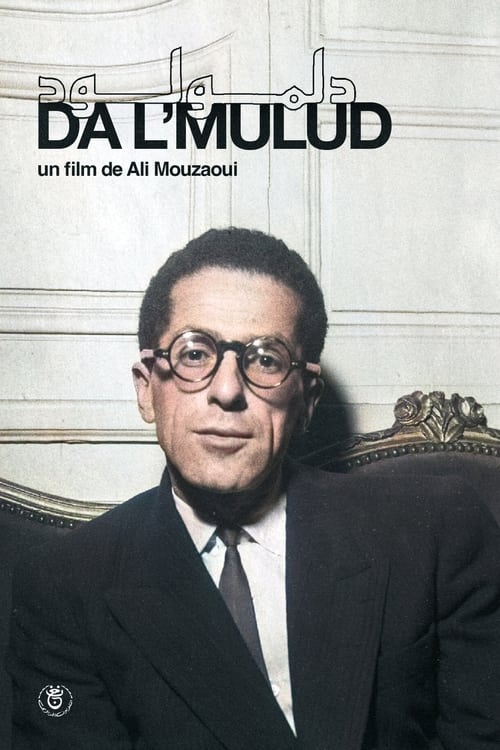
Checking...
Da L'Mulud
1987•
10.0
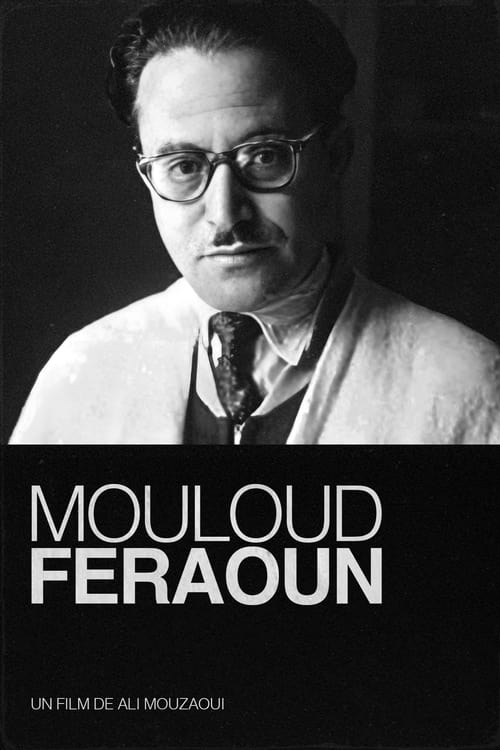
Checking...
Mouloud Feraoun
2009•
10.0

Checking...
One, Two, Three – Viva l’Algérie !
2022
Mémoires du 8 mai 1945
Checking...
Mémoires du 8 mai 1945
La Langue de Zahra
Checking...
La Langue de Zahra
2011