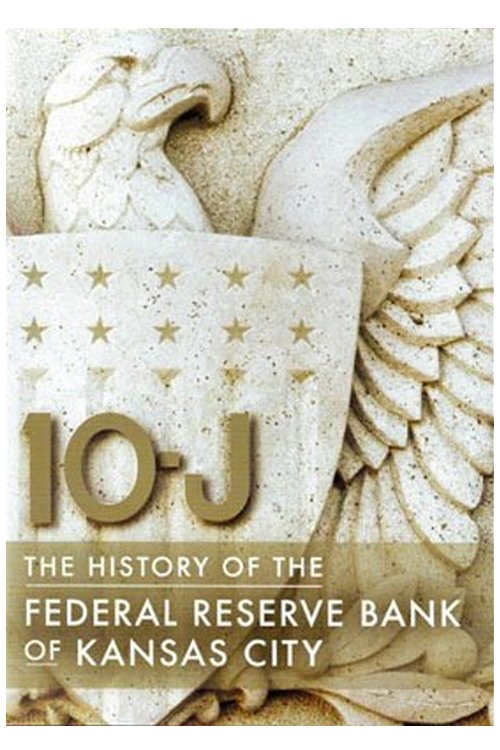
10-J: The History of the Federal Reserve Bank of Kansas City
A production of Kansas City Public Television in cooperation with the Federal Reserve Bank of Kansas City
In 1913 Congress created the Federal Reserve to bring financial stability to the nation after a number of banking panics, with a mix of regional banks and a central bank board. Congressmen Robert L. Owen and Carter Glass helped pass the Federal Reserve Act with the help of compromises led by President Woodrow Wilson. The Federal Reserve Bank of Kansas City was begun in 1914, led by Jo Zach Miller, Jr., along with local bankers such as William T. Kemper. With the bank rapidly growing, about 1920 a new 21 story building was built at 9th and Grand that at one time held the offices of the Bureau of Investigation and President Harry S. Truman.
Production
Kansas City PBS
Language
EN
Status
Released
Release Date
Recommended

Zeitgeist: The Movie

Heart of a Dog
Banking on Bitcoin
No Half Measures: Creating the Final Season of Breaking Bad

9/11: Inside the President's War Room
Whitney: Can I Be Me

Harmontown

For Sama

Abacus: Small Enough to Jail
The Mystery of D.B. Cooper
Directed by John Ford

Beyond Infinity: Buzz and the Journey to Lightyear
Similar Movies
Divide & Dominate: How the Powerful Steal More Power
Fiat Empire

Lucky Number
Black Hand Strawman: The History of Organized Crime in Kansas City

Democracy on Trial
Echoes from the White House
The Power of the Fed
The Money Masters

The Bubble
Zeitgeist: The Movie
The Ascent of Money