That Was The Week That Was

That Was The Week That Was

196250m8.0/10
Comedy

Ratings

🎬TMDb
8.0/10(1)

That Was the Week That Was, informally TWTWTW or TW3, is a satirical television comedy programme on BBC Television in 1962 and 1963. It was devised, produced and directed by Ned Sherrin and presented by David Frost. An American version by the same name aired on NBC from 1964 to 1965, also featuring Frost. The programme is considered a significant element of the satire boom in the United Kingdom in the early 1960s. It broke ground in comedy through lampooning the establishment and political figures. Its broadcast coincided with coverage of the politically charged Profumo affair and John Profumo, the politician at the centre of the affair, became a target for derision. TW3 was first broadcast on Saturday 24 November 1962.

Language

EN

Status

Ended

First Aired

November 24, 1962

Last Aired

December 28, 1963

Networks

BBC One

Where to Watch
Region US · Lang EN
US
No providers available for this region.
Seasons & Episodes
Select a season to view episodes. Reddit links may contain spoilers.
Season
E1
Show 1
Air date: 1962-11-24
The first programme includes: A parody of BBC by-election coverage; The army becoming a political party; An expose of record producer Norrie Paramor; Bernard Levin interviewing a group of PR men; a skit on the then-current infomercial-style show ""Jim's Inn"", a parody of the recent hit song ""Love And Marriage"" and Timothy Birdsall's send-up of Identikit pictures.
E2
Show 2
Air date: 1962-12-01
Items include: A look at the possible successors to retired Conservative leader Harold MacMillan; a send-up of TV science shows; and a rant by a yobbish cricketer (Cope).
E3
Show 3
Air date: 1962-12-08
A monologue by a tobacconist (Roy Kinnear) on why smoking is a good thing, an expose of songwriter Lionel Bart's borrowings from old-time songs; Bernard Levin interviews hotellier Charles Forte, a group of Cardinals sing Arrivederci Roma; and a sketch (and subsequent calypso) on the subject of open flies.
E4
Show 4
Air date: 1962-12-15
A list of Britain's remaining colonies; trade unions quarrelling over a hole in the road; an old-time comedian (Roy Kinnear) complains about the satire boom.
E5
Show 5
Air date: 1962-12-22
The Queen's christmas broadcast being censored; Bernard Levin is shouted down by a group of farmers.
E6
That Was The Year That Was
Air date: 1962-12-29
An expose of the ""Cross Bencher"" column in the Sunday Express.
E7
Show 7
Air date: 1963-01-05
E8
Show 8
Air date: 1963-01-12
E9
Show 9
Air date: 1963-01-19
E10
Show 10
Air date: 1963-01-26
E11
Show 11
Air date: 1963-02-02
E12
Show 12
Air date: 1963-02-09
E13
Show 13
Air date: 1963-02-16
E14
Show 14
Air date: 1963-02-23
E15
Show 15
Air date: 1963-03-02
E16
Show 16
Air date: 1963-03-09
E17
Show 17
Air date: 1963-03-16
E18
Show 18
Air date: 1963-03-23
E19
Show 19
Air date: 1963-03-30
E20
Show 20
Air date: 1963-04-06
E21
Show 21
Air date: 1963-04-13
E22
Show 22
Air date: 1963-04-20
E23
Show 23
Air date: 1963-04-27

Cast

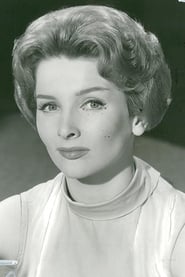
Millicent Martin

Millicent Martin

Lance Percival

Lance Percival

Kenneth Cope

Kenneth Cope

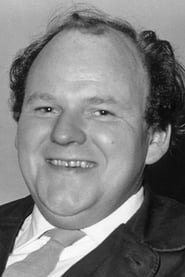
Roy Kinnear

Roy Kinnear

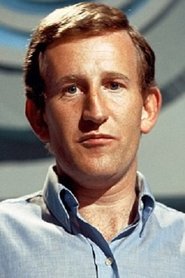
David Frost

David Frost

Recommended

Similar TV Shows

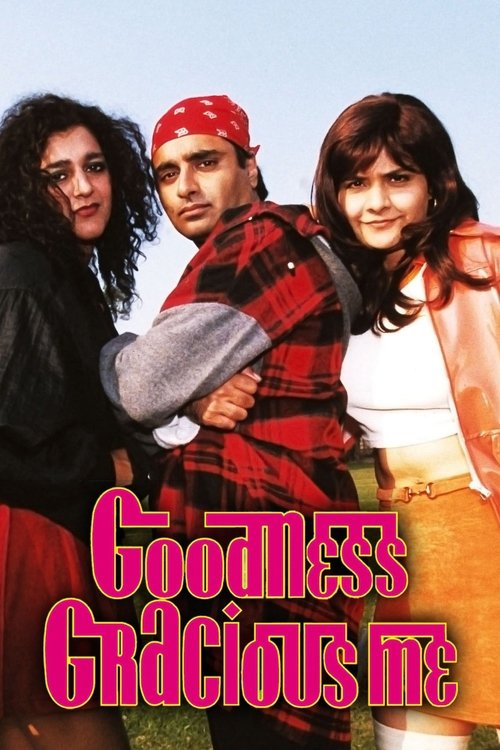
Goodness Gracious Me

Goodness Gracious Me

6.4
1996
TV Show

Goodness Gracious Me is a BBC English language sketch comedy show originally aired on BBC Radio 4 from 1996 to 1998 and later televised on BBC Two from 1998 to 2001. The ensemble cast were four British Indian actors, Sanjeev Bhaskar, Kulvinder Ghir, Meera Syal and Nina Wadia. The show explored the conflict and integration between traditional Indian culture and modern British life. Some sketches reversed the roles to view the British from an Indian perspective, and others poked fun at Indian stereotypes. In the television series most of the white characters were played by Dave Lamb and Fiona Allen; in the radio series those parts were played by the cast themselves. The show's title and theme tune is a bhangra rearrangement of a hit comedy song of the same name. The original was performed by Peter Sellers and Sophia Loren reprising their characters from the 1960 film The Millionairess. The show's original working title was "Peter Sellers is Dead", but was changed because the cast generally liked Peter Sellers. In her 1996 novel Anita and Me, Syal had referred to British parodies of Asian speech as "a goodness-gracious-me accent". One of the more famous sketches featured the cast "going out for an English" after a few lassis. They mispronounce the waiter's name, order the blandest thing on the menu and ask for twenty-four plates of chips. The sketch parodies often-drunk English people "going out for an Indian", ordering chicken phall and too many papadums. This sketch was voted the 6th Greatest Comedy Sketch on a Channel 4 list show.

Goodness Gracious Me

1996
6.4