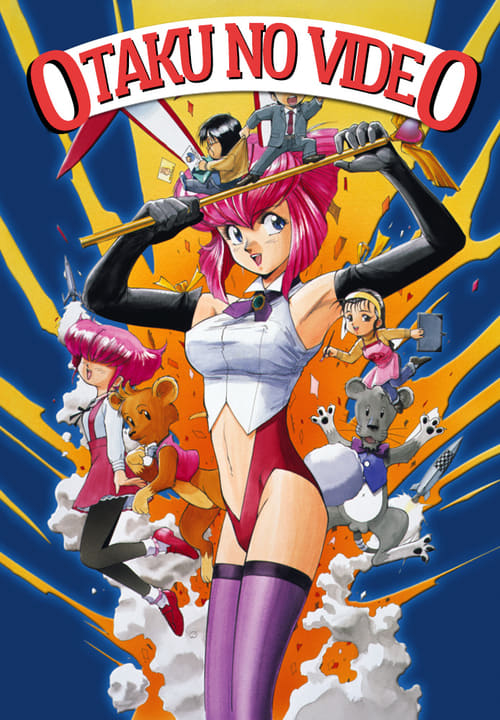
Otaku no Video
121991•49m•6.0/10
AnimationComedyDrama
Ratings
🎬TMDb
6.0/10(6)
A mockumentary featuring an animated tale of an average person who slowly becomes an otaku (obsessive fanatic) and eventually becomes the "Otaking"! Between story segments, live action interviews with fictional die-hard otakus take place.
Production
GAINAX, Studio Fantasia
Language
JA
Status
Ended
First Aired
September 27, 1991
Last Aired
December 20, 1991
Where to Watch
Region US · Lang EN
US
No providers available for this region.
Available in Your Library
Seasons & Episodes
Select a season to view episodes. Reddit links may contain spoilers.
Season
E1
Otaku no Video (1982)
Air date: 1991-09-27
Otaku no Video stars a young man named Kubo, who starts off as an average citizen, engrossed in the school tennis club, and happy with his girlfriend. Un/fortunately for him, his life is entirely changed by a chance meeting with an old high school classmate by the name of Tanaka (their full names don't matter, as it's their feats as Otaku that earn them my admiration and respect). After being introduced to Tanaka's circle of pop culture aficionados, Kubo is slowly inoculated with the first seeds of Otakudom, transforming into the stereotypic fanboy that the fellows at Gainax mock, and yet can probably identify with. Kubo spends his time and money on anime, letting it take over his life, until even his girlfriend is fed up with his new self. Distraught and angered by her and society's misunderstanding of anime Otaku, he vows to dedicate his life to becoming the Otaking, expanding anime to such an extent that it can no longer be made fun of.
E2
More Otaku no Video (1985)
Air date: 1991-12-20
Otaku no Video stars a young man named Kubo, who starts off as an average citizen, engrossed in the school tennis club, and happy with his girlfriend. Un/fortunately for him, his life is entirely changed by a chance meeting with an old high school classmate by the name of Tanaka (their full names don't matter, as it's their feats as Otaku that earn them my admiration and respect). After being introduced to Tanaka's circle of pop culture aficionados, Kubo is slowly inoculated with the first seeds of Otakudom, transforming into the stereotypic fanboy that the fellows at Gainax mock, and yet can probably identify with. Kubo spends his time and money on anime, letting it take over his life, until even his girlfriend is fed up with his new self. Distraught and angered by her and society's misunderstanding of anime Otaku, he vows to dedicate his life to becoming the Otaking, expanding anime to such an extent that it can no longer be made fun of.
Cast

Koji Tsujitani
Kubo

Toshiharu Sakurai
Tanaka

Akio Otsuka
Bankman Kanda

Yuko Kobayashi
Fukuhara Misuzu

Shigeru Nakahara
Hino

Toshiyuki Morikawa
Iiyama

Masami Kikuchi
Miyoshi

Yuri Amano
Satou Yuri

Kikuko Inoue
Ueno Yoshiko
Recommended
Checking...
Carnival Phantasm
2011•
8.5
Checking...
Genshiken
2004•
7.1
Checking...
Shin Chan
1992•
7.7
Checking...
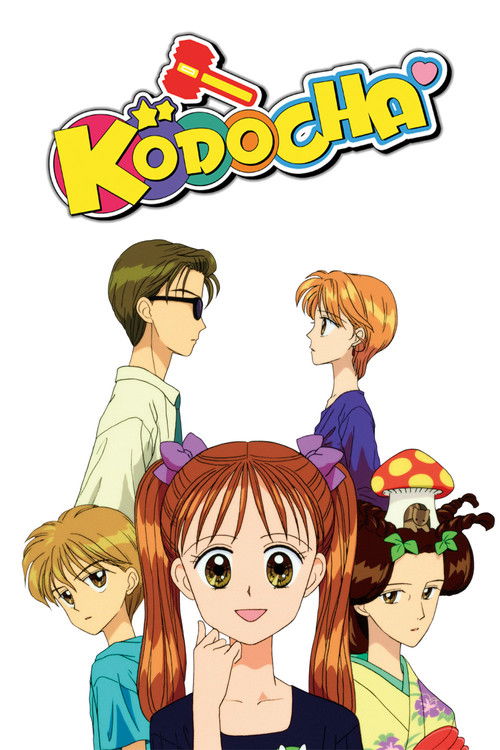
Kodocha
1996•
6.8

Checking...
Dr. Slump
1981•
7.9
Checking...
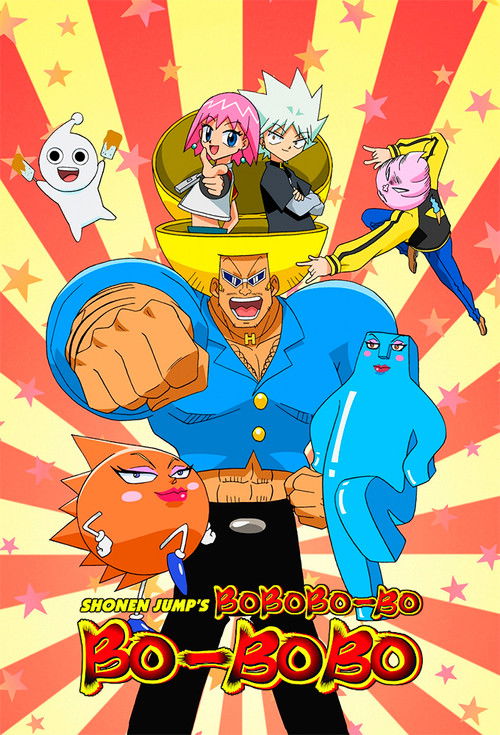
Bobobo-bo Bo-bobo
2005•
5.9
Checking...
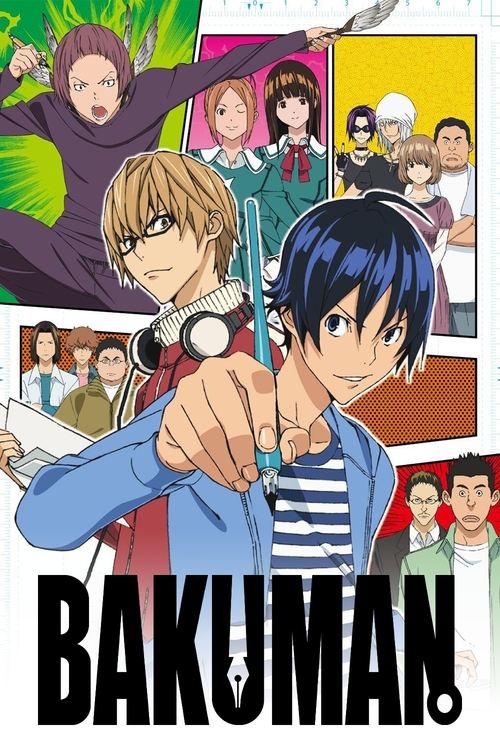
Bakuman
2010•
8.1

Checking...
Kinnikuman
1983•
7.8
Checking...
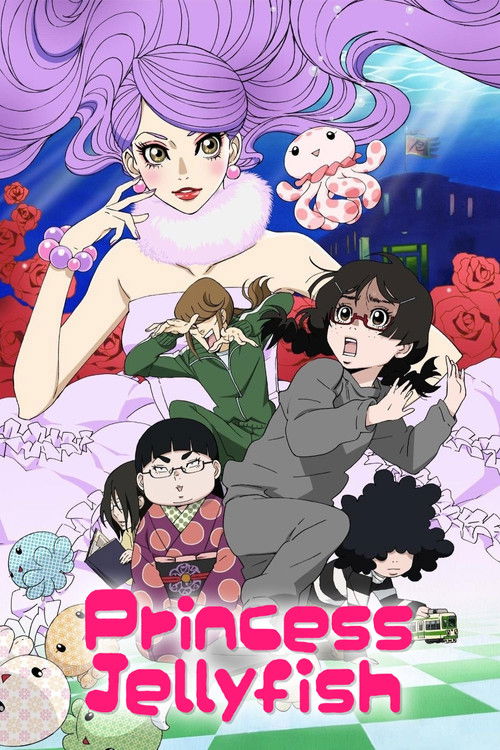
Princess Jellyfish
2010•
7.5
Checking...
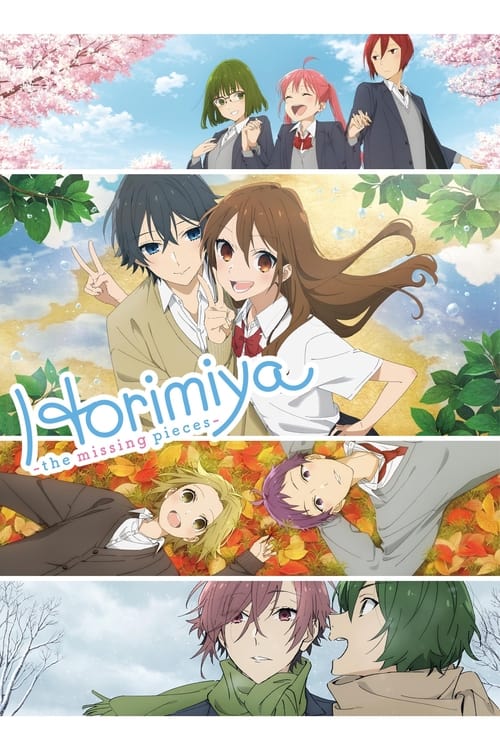
Horimiya: The Missing Pieces
2023•
7.6
Checking...
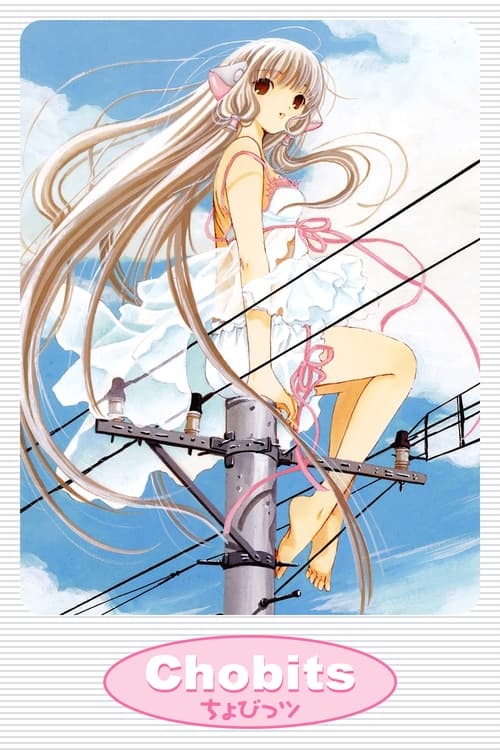
Chobits
2002•
8.0
Checking...
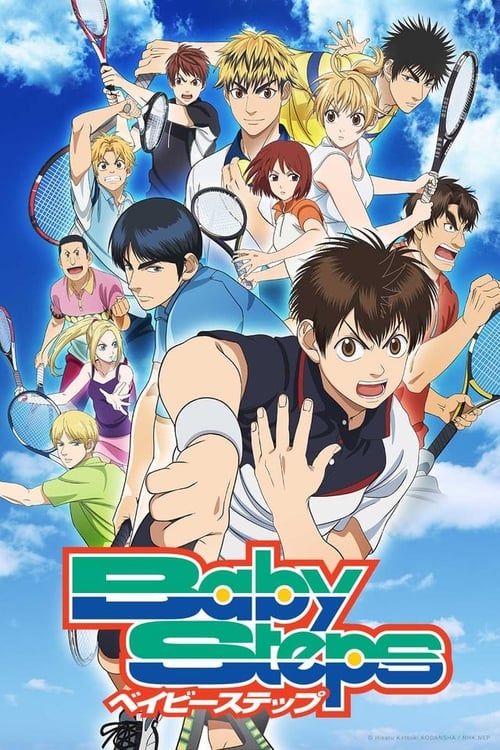
Baby Steps
2014•
7.6
Similar TV Shows
Checking...
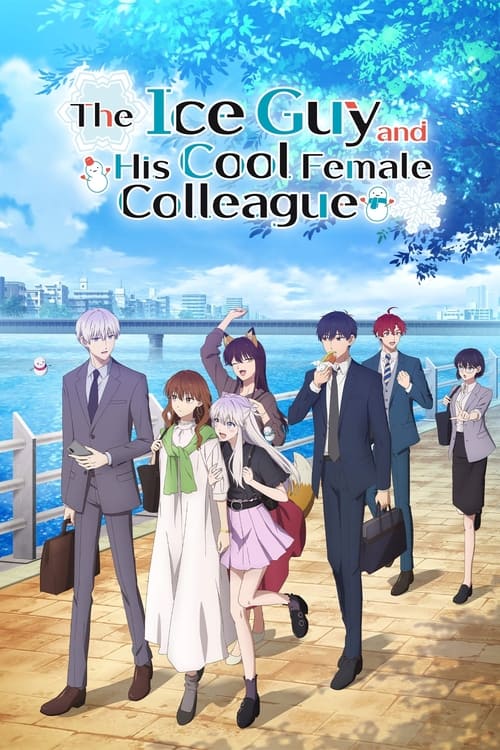
The Ice Guy and His Cool Female Colleague
2023•
6.7

Checking...
Ah! My Goddess
2005•
7.4
Checking...
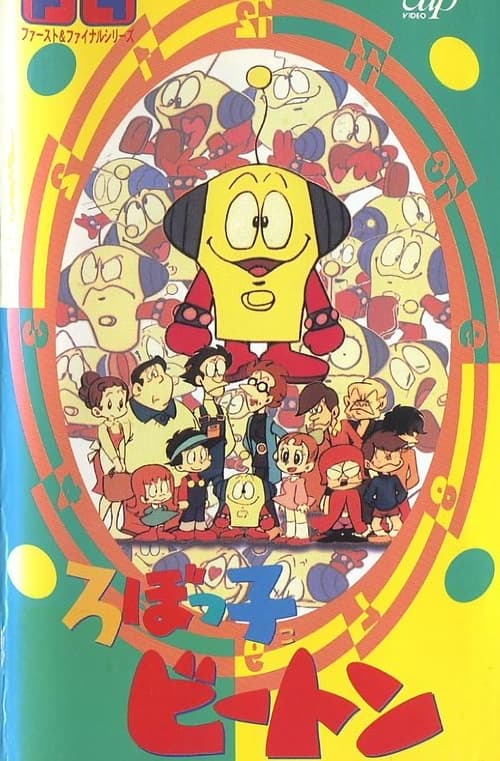
ろぼっ子ビートン
1976

Checking...
Caprica
2010•
6.9
Checking...
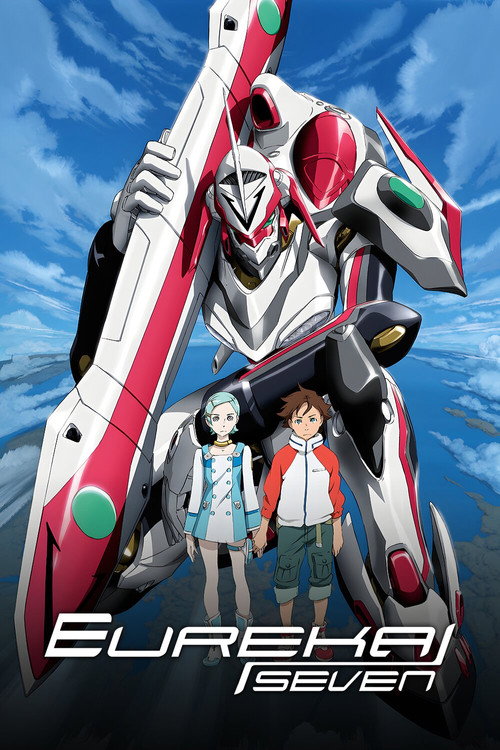
Eureka Seven
2005•
7.4
Checking...
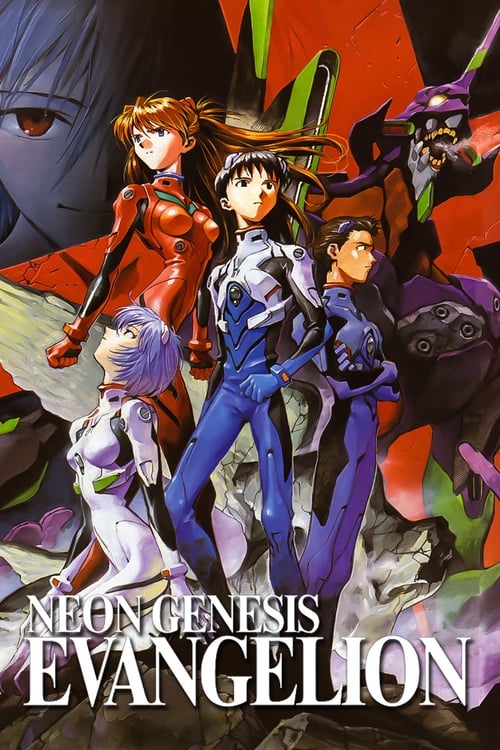
Neon Genesis Evangelion
1995•
8.6
Checking...
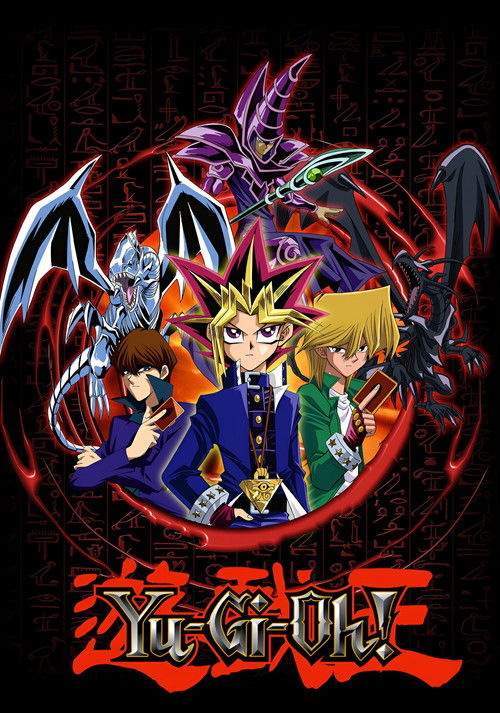
Yu-Gi-Oh! Duel Monsters
2000•
8.3
Checking...
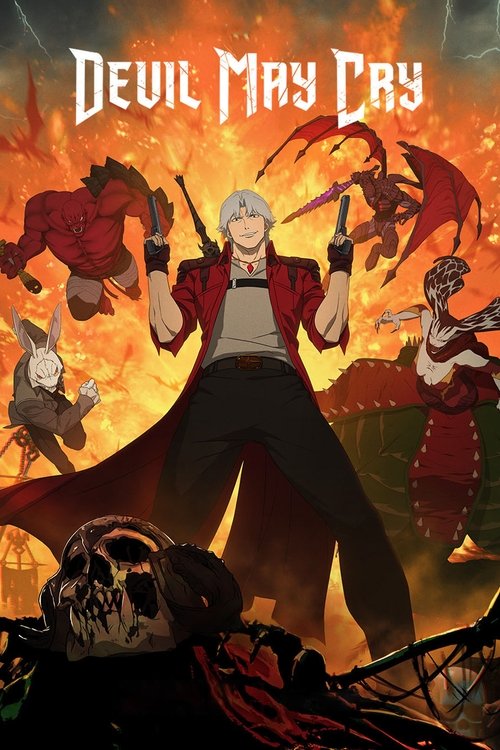
Devil May Cry
2025•
8.2
Checking...
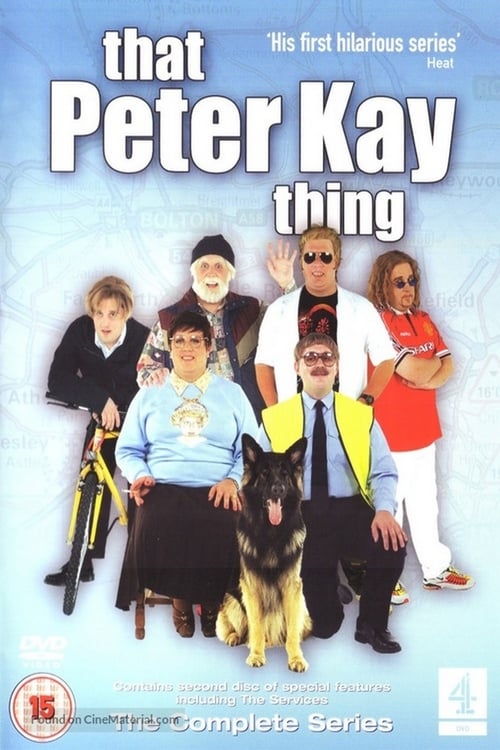
That Peter Kay Thing
2000•
6.3
Checking...
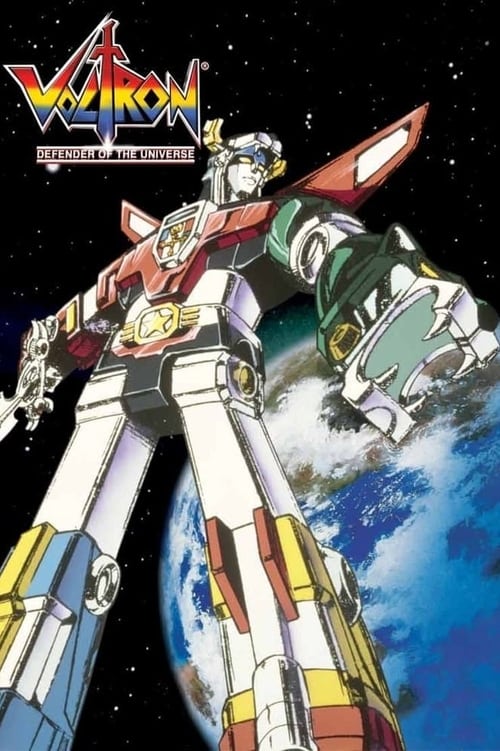
Voltron: Defender of the Universe
1984•
7.9
Checking...
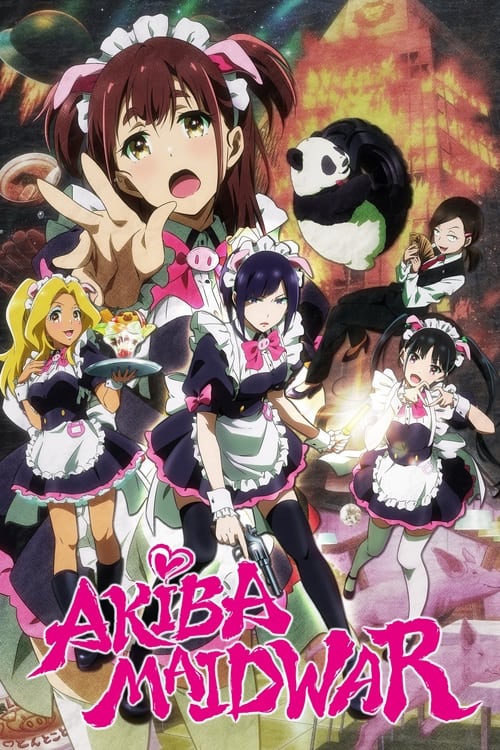
Akiba Maid War
2022•
7.0
Checking...
Noir
2001•
6.7