
Wild Baltic Sea
2017•50m•9.0/10
Documentary
Ratings
🎬TMDb
9.0/10(2)
The nature of the Baltic Sea offers many surprises as demonstrated in the three-part series Wild Baltic Sea. From the Northern most tip of Denmark to the Curonian Spit, from the Estonian island world to the Bay of Bothnia. For the first time bottlenose dolphins and a Sowerby's beaked whale could be filmed in the Baltic Sea.
Production
Doclights, ARTE, NDR Naturfilm, NDR
Language
DE
Status
Ended
First Aired
September 18, 2017
Last Aired
September 20, 2017
Networks
ARTE
Created By
Almut Hauschild, Christoph Hauschild
Where to Watch
Region US · Lang EN
US
No providers available for this region.
Available in Your Library
Seasons & Episodes
Select a season to view episodes. Reddit links may contain spoilers.
Season

E1
From Denmark to Latvia
Air date: 2017-09-18
The first episode takes us from Denmark, via the Darss Peninsula in Germany and Lithuania’s Curonian Spit to Latvia. In June, hundreds of seals gather on the island of Anholt. In the autumn of 2015, an absolute rarity appeared: a Sowerby’s beaked whale. The Darss Peninsula attracts thousands of cranes in the autumn. The Curonian Spit is home to many sea eagles. We end along Latvia’s primal coast. The biggest seal in the Baltic Sea, the grey seal, lives here.

E2
From Estonia to Finland
Air date: 2017-09-19
The second episode presents a world of thousands of islands between Estonia, Gotland in Sweden and Finland. In the autumn, the mating calls of the moose can be heard everywhere. The largest gathering of grey seals in the Baltic Sea can be found in the Bay of Riga. On Gotland, golden eagles breed in trees. Close by is the biggest guillemot colony. In June, the young jump from the cliffs in their hundreds. 300 kilometres further north is Finland’s archipelago. Home to brown bears.

E3
From Finland to Sweden
Air date: 2017-09-20
The third episode takes us to the Bay of Bothnia. In winter, home to the ringed seal. More than 10.000 of the animals still live here. 300 kilometres further south millions of fish head for the coast. Giant pikes fight their way through the water to lay their eggs. The Kvarken Archipelago is also the habitat of the flying squirrel. In the spring, males begin looking for females. For the same reason brown bears roam through the Skuleskogen National Park on the other side of the bay.
Cast

Sascha Rotermund
Narrator (voice)
Recommended
Checking...
Natural World
1983•
7.4
Checking...
Planet Earth II
2016•
8.6
Checking...
Planet Earth
2006•
8.6
Checking...
Our Planet
2019•
8.5
Checking...
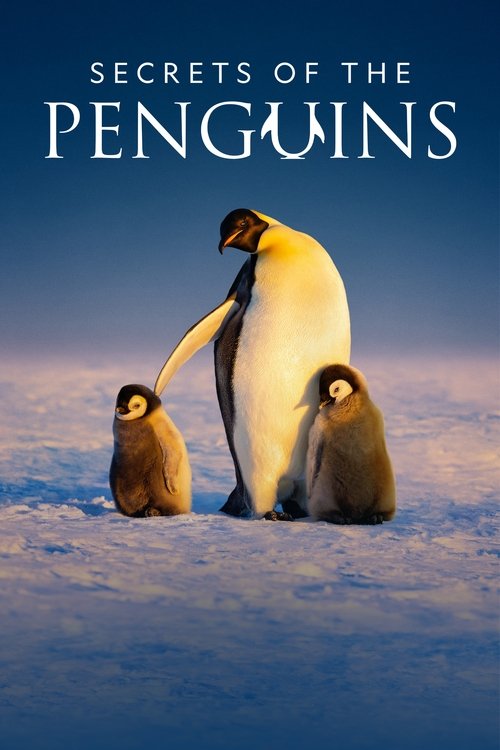
Secrets of the Penguins
2025•
7.6
Checking...
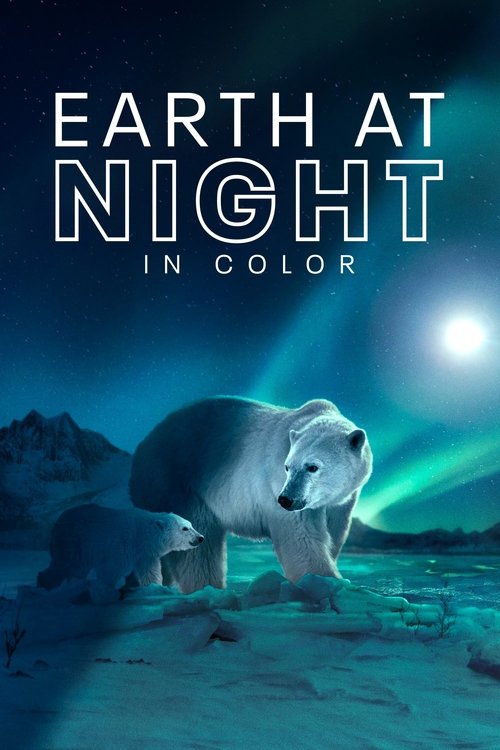
Earth at Night in Colour
2020•
8.2
Checking...
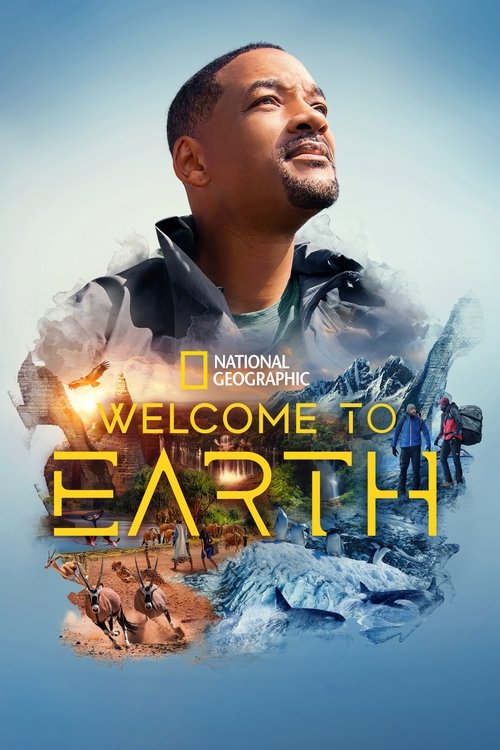
Welcome to Earth
2021•
7.6

Checking...
The Crocodile Hunter
1997•
7.6
Checking...
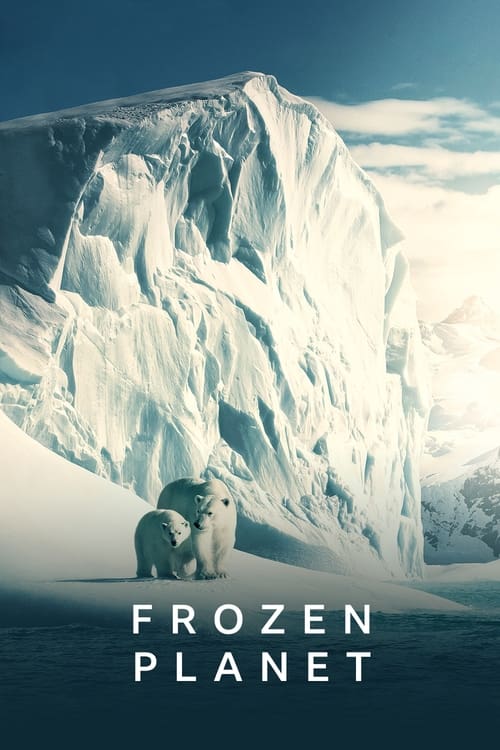
Frozen Planet
2011•
8.4
Checking...
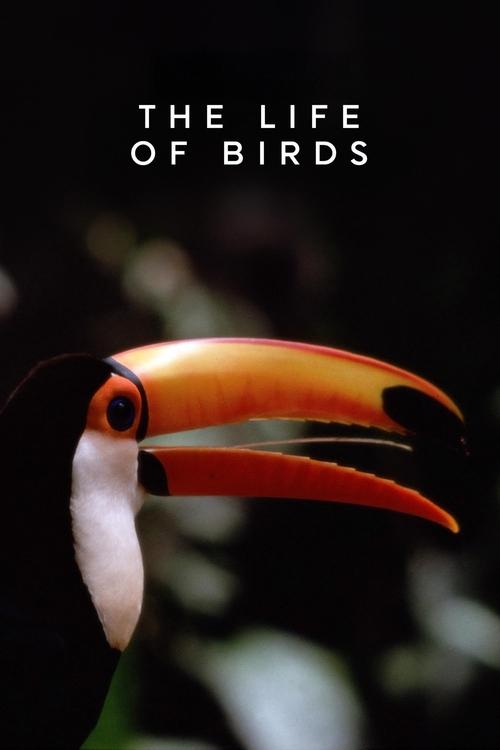
The Life of Birds
1998•
8.2

Checking...
Great Migrations
2010•
7.7
Checking...
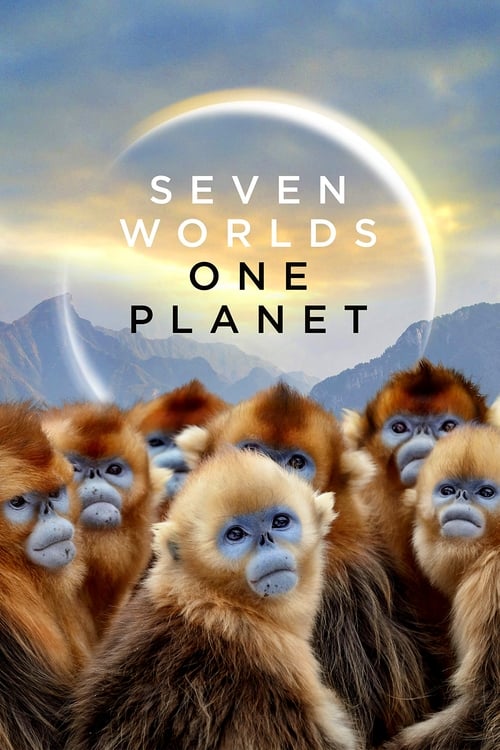
Seven Worlds, One Planet
2019•
8.5
Similar TV Shows
Checking...
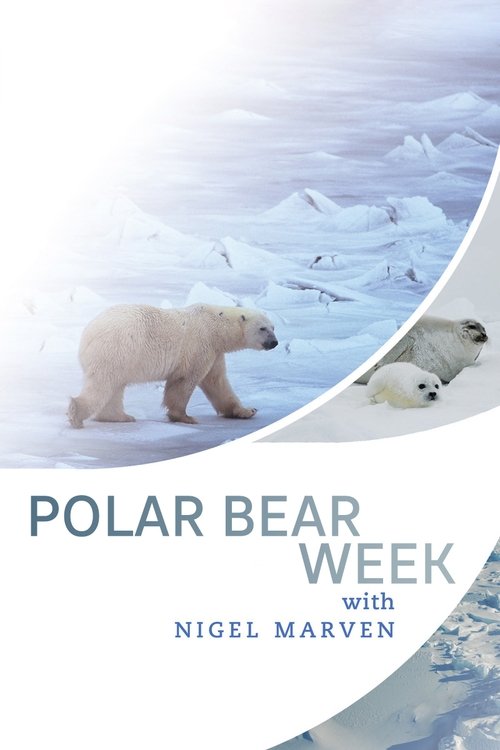
Polar Bear Week with Nigel Marven
2007•
5.0
Checking...
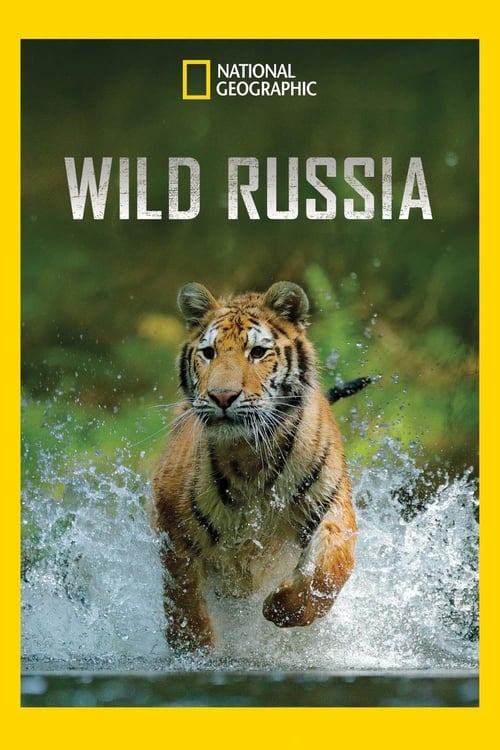
Wild Russia
2008•
8.1
Checking...
Hidden Habitats
2014
Checking...
Galapagos 3D with David Attenborough
2013•
7.9
Checking...
America's National Parks
2022•
7.5
Checking...
Life in Cold Blood
2008•
8.4
Checking...
Bill Bailey’s Vietnam
2025•
7.5
Checking...
Wild Yellowstone
2015•
7.5
Checking...
How to Grow a Planet
2012•
8.3
Checking...
Mutual of Omaha's Wild Kingdom Protecting the Wild
2023
Checking...
Walking with Beasts
2001•
7.8

Checking...
Africa's Wild Year
2021•
8.0